
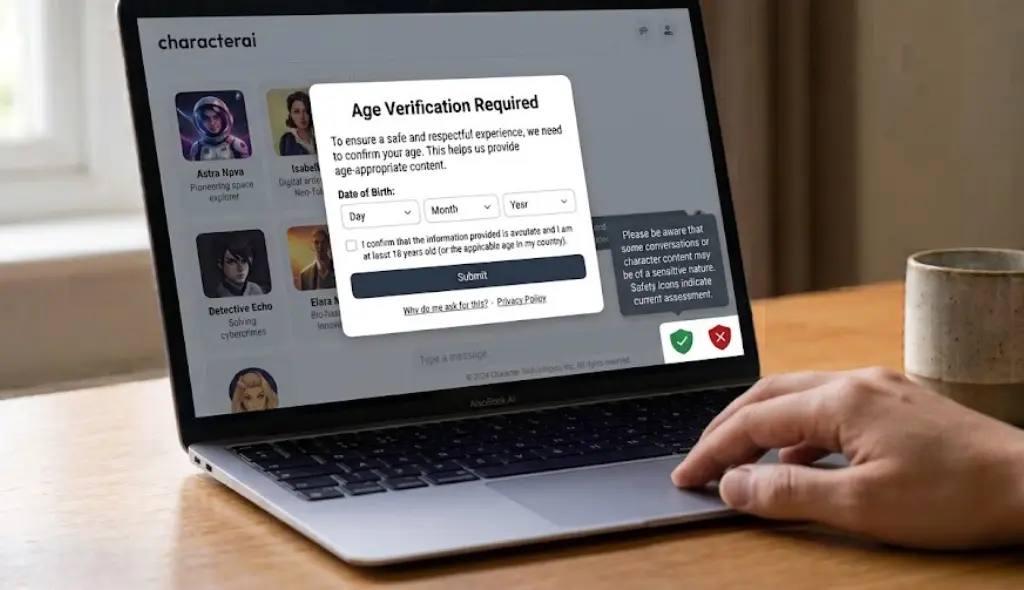
Character AI’s own claims hold up on paper. Your selfie and ID go to Persona, not Character AI directly, and both get deleted within a week. What complicates the picture is Persona itself. In February 2026, researchers found that Persona’s

A stuck verification usually comes down to one of two things. Either the selfie failed for a fixable reason, or the review is genuinely still in progress on Persona’s end. Both situations feel the same from your side, a locked
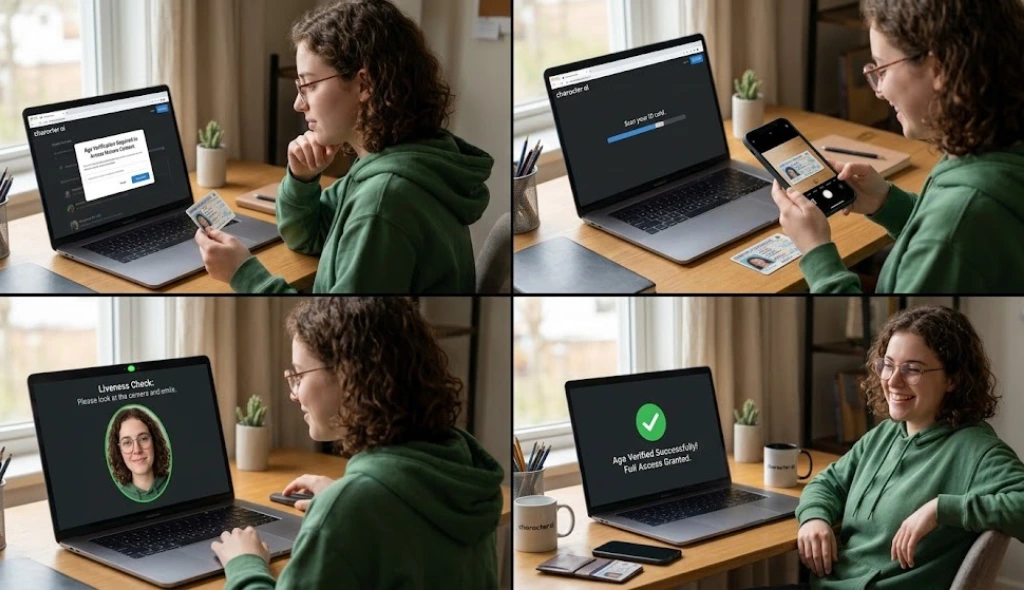
Verifying your age on Character AI takes three steps and about a minute if your camera cooperates. Open the Settings menu, tap Advanced, then select Verify Age. A quick selfie verification step usually settles the question, so most people finish

Verifying your age on Character AI confirms you’re 18 or older. This keeps your full, unrestricted access to the platform’s chat features. If you skip the check, or if Character AI can’t confirm your age, your account drops into a
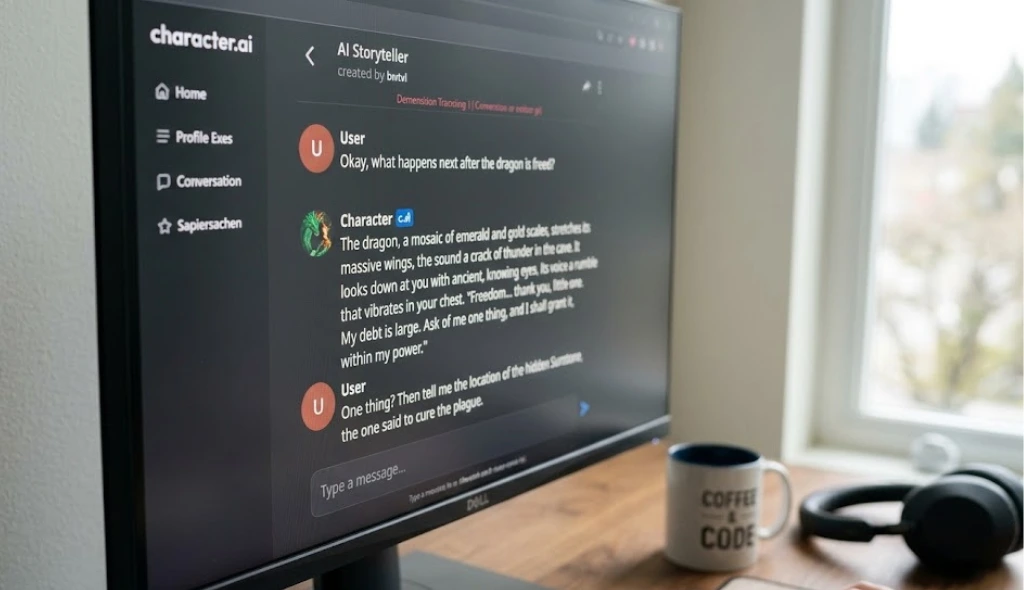
On October 29, 2025, Character AI shut an entire generation of users out of open chat overnight. For everyone else, the real breaking point came earlier and quieter, the moment a character forgot something you told it three sessions ago,

AI arbitrage means charging a client the same price for a service while your own cost to deliver it drops, because AI is doing part of the work. You keep the difference as profit. That’s the entire concept in one
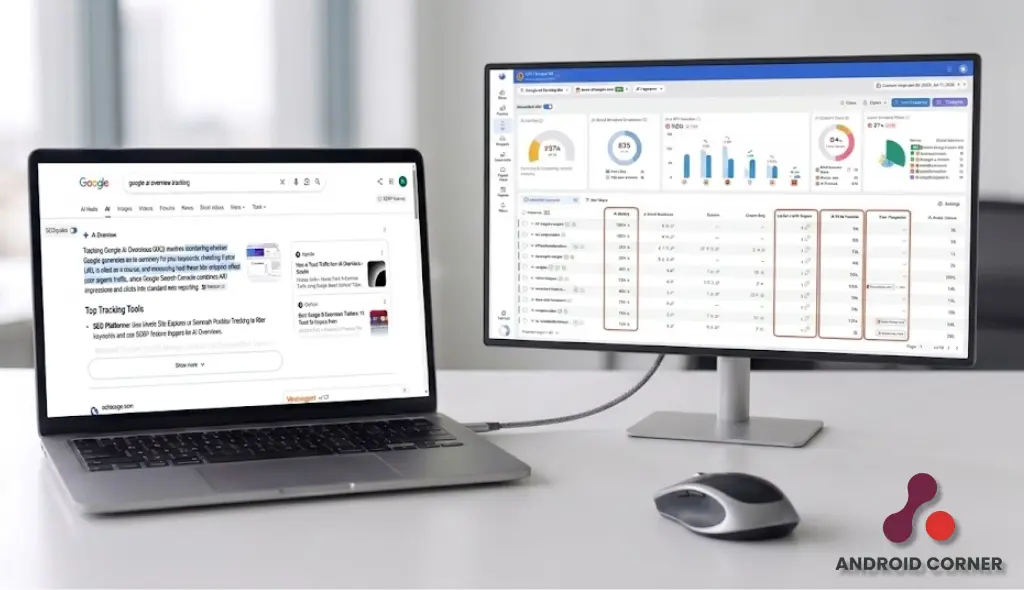
You can track Google AI Overviews with Google Search Console or a paid third-party tool. Search Console shows first-party performance data from Google, while specialist platforms can reveal which queries trigger an Overview, which pages receive citations, and which competing

AI search monitoring runs a defined set of prompts across selected AI platforms, saves the answers, identifies brand references and cited sources, then compares the results over time. It provides a controlled sample of visibility, not a complete record of
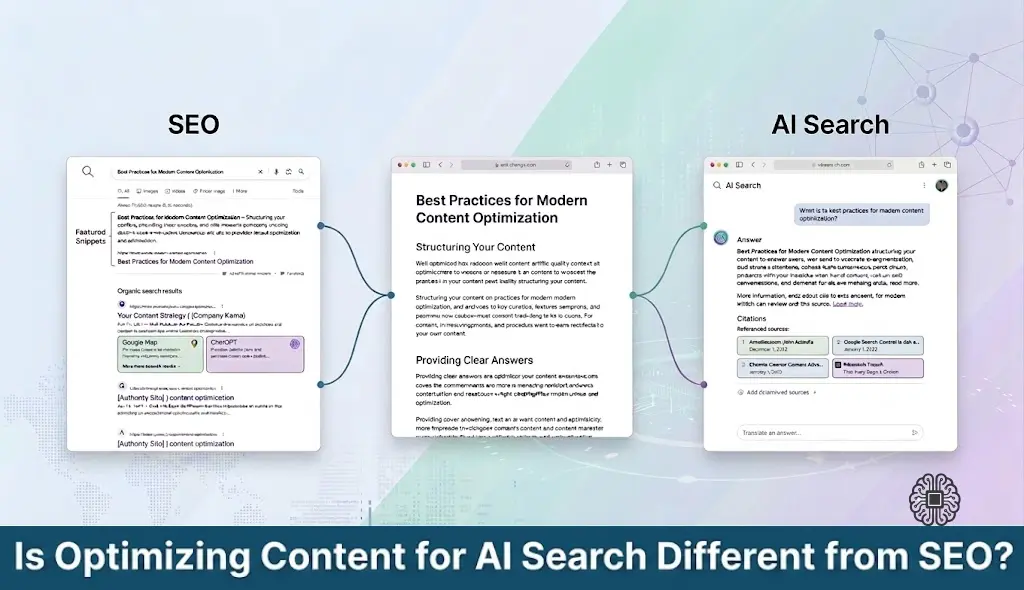
Yes, but only in a few practical areas. AI results may pull specific parts of a page to answer a question, while regular search often sends the reader to the full page. The core work remains the same. Pages still

Customers no longer rely only on traditional search engines when researching products and services. Many users now begin with AI-powered platforms to compare options, explore recommendations, and understand a topic before they ever visit a website. That shift is changing