

Content optimization is the process of improving content so it performs better for readers, search engines, and business goals. It helps a page become clearer, more useful, easier to find, and more likely to guide the reader toward the right next step.
A good page does not rank or convert only because it has keywords. It works because it answers the right question, matches search intent, explains the topic well, and gives users a smooth reading experience.
Google’s helpful content guidance also supports this approach by encouraging content made for people first, not content created mainly to manipulate search rankings.
This guide explains what content optimization means, why it matters, how it works, which mistakes to avoid, and which tools can help you improve your content with more confidence.
What Is Content Optimization?
Content optimization means improving your content so it gives readers a clearer, more useful, and more complete answer. It also helps search engines understand the page better, which can support stronger visibility in search results.
This process can include improving headings, adding missing information, updating outdated points, making paragraphs easier to read, adding relevant internal links, and using helpful visuals where they add value.
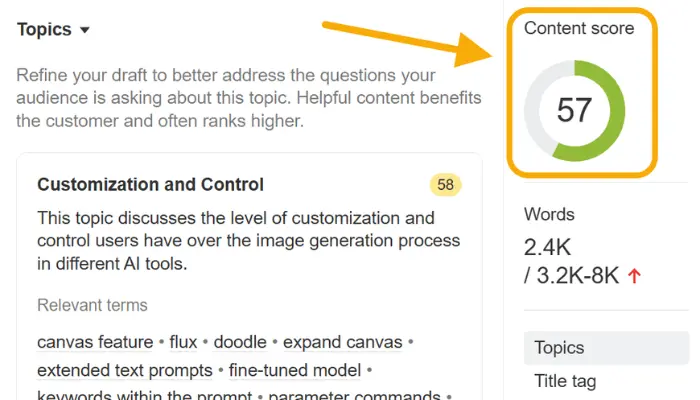
The goal is not to add more words for the sake of length, but to make the content more accurate, helpful, and easier to use. Content creation is the first step because it gives you a new article, page, or resource. Content optimization is what keeps that content useful over time.
It helps the page stay aligned with search intent, user needs, content performance, and changes in the topic.
Why Is Content Optimization Important?
Content optimization matters because even good content can underperform when it does not match what readers need. A page may contain useful information, but weak headings, outdated details, poor content structure, slow page load speed, or unclear answers can make users leave before taking action.
For SEO, optimization helps search engines like Google understand the page while keeping the reader first. It also improves how useful, clear, and trustworthy the content feels.
Strong content optimization can help you:
- Improve organic traffic from relevant searches
- Make content easier to read and navigate
- Increase engagement, click-through rates, and time on page
- Support more leads, sign-ups, downloads, or sales
- Keep older content useful for longer through regular updates
- Support stronger visibility across AI-powered search experiences
- Improve rankings and traffic without depending only on PPC
The goal is not to add keywords everywhere. The real purpose is to give value to readers, improve content quality, and make each piece of content easier to understand and act on.
Types of Content Optimization
Different pages need different optimization techniques. A blog post may need stronger topical depth. A service page may need a clearer conversion copy. A product page may need better images, specifications, and trust signals.
SEO Content Optimization
SEO content optimization is about making a page easier to understand, both for readers and search engines. It supports effective SEO by improving the parts that help a page appear for the right searches and answer the topic clearly.
This usually includes:
- Title tags and meta descriptions
- Clear headings
- Natural keyword use
- Internal linking
- Image alt text
- On-page optimization
- Complete topic coverage
The aim is not to repeat the same keyword. A strong page explains the subject properly and gives the target audience what they came for.
Readability Optimization
Good content should not make the reader work too hard. Readability optimization improves the flow of the page so people can scan, understand, and continue reading without feeling lost.
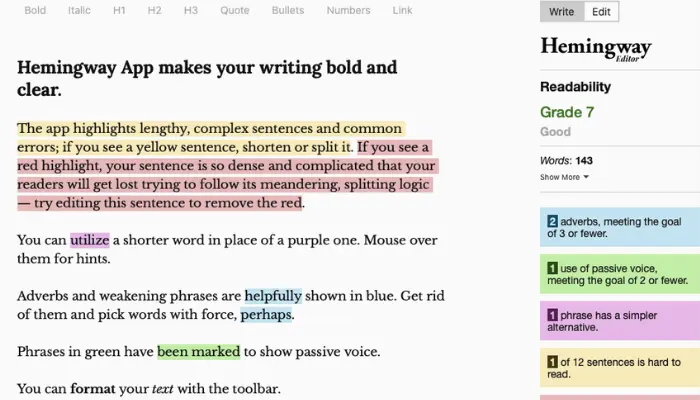
This may mean shorter sentences in complex areas, clearer headings, simpler wording, and better paragraph breaks. The content should feel easy to follow, but not thin or rushed.
Conversion Optimization
Traffic alone is not enough. If people visit a page but do not call, sign up, buy, or ask for more information, the issue may be clarity rather than ranking.
Conversion optimization improves the parts of content that help readers take action. This may include stronger calls to action, better service explanations, trust signals, clearer forms, or comparison sections. The page should make the next step obvious without sounding pushy.
Multimedia Optimization
Some ideas are easier to understand with visuals. Images, videos, charts, screenshots, and diagrams can support the written content when they explain something useful.
For example, a content audit screenshot or a before-and-after content layout can help readers understand the optimization process faster. Visuals should also be compressed, named properly, and given helpful alt text. This supports both readability and technical SEO.
AI Content Optimization
AI content optimization means making content clear enough for AI-powered search systems to understand, summarize, and reference. The page still needs to be written for people first.
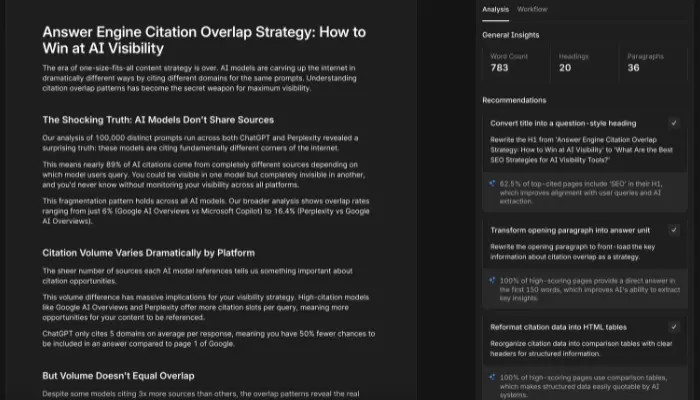
This works best when the content gives direct answers, uses a logical structure, covers the topic well, and includes trustworthy details. Helpful examples, clear definitions, and original insights can make the page stronger for both readers and search experiences.
How Content Optimization Works?
Content optimization works by finding gaps between what your content currently offers and what users actually need. Once those gaps are clear, you improve the page in a planned way.
This process does not need to be complicated at the start. Even a simple review can reveal missing answers, weak headings, outdated sections, broken links, poor internal links, or confusing calls to action.
1. Analyze Existing Content
Start by reviewing the current page. Look at rankings, impressions, clicks, bounce rate, conversions, internal links, and user engagement. Google Search Console, analytics tools, heatmaps, and SEO platforms can help you understand how the content performs.
You should also read the page manually. Ask whether the content gives a complete answer. Check whether the title matches the page. Look for outdated examples, missing details, unclear sections, weak introductions, and any metric that suggests users are not finding what they need.
2. Understand Search Intent
Search intent is the reason behind the query. Someone searching “what is content optimization” wants a clear explanation. Someone searching “content optimization tools” may want a comparison. Someone searching “content optimization services” may be ready to hire.
If the intent is wrong, the page will struggle even if the writing is good. A beginner guide should not read like a sales page. A service page should not hide the service details behind a long educational introduction.
3. Improve Content Quality and Relevance
Once you understand the gap, improve the content. Add missing sections. Remove weak filler. Rewrite unclear paragraphs. Update old information. Add examples. Improve headings. Strengthen internal linking. Make the page more useful than it was before.
This is where E-E-A-T matters. Google’s helpful content guidance asks whether content shows first-hand expertise, depth of knowledge, and trustworthiness. In practical terms, this means your content should feel like it was written or reviewed by someone who understands the topic.
4. Measure Performance and Continuously Optimize Content for SEO
After updating your content, track performance. Look at impressions, clicks, rankings, conversions, scroll depth, engagement, and other key performance indicators. Some improvements may show results quickly. Others may take time because search engine bots need to crawl and reassess the page.
Optimization should not stop after one update. Review important pages regularly, especially pages that drive leads, sales, subscriptions, organic traffic, or brand awareness.
Content Optimization Best Practices
Good optimization starts with the reader. Traditional SEO still matters, but it should support the user experience rather than control the whole page.
Prioritize Search Intent Before Keywords
Before adding keywords, understand what the searcher wants. Are they learning, comparing, buying, troubleshooting, or looking for a local service?
A page about “what is content optimization” should define the term early, explain why it matters, and give practical guidance. If the page starts with a long sales pitch, it misses the intent.
Build Topical Depth Instead of Chasing Keyword Density
Keyword density is not a content strategy. A stronger approach is to cover the topic properly.
For this topic, a useful page should explain SEO content optimization, readability, conversions, multimedia, AI search, internal linking, updates, tools, and examples. These related ideas help build topical depth without forcing the same phrase into every paragraph.
Use Keyword Research Without Keyword Stuffing
Keyword research helps you understand how people search, but it should not control every sentence. Use it to shape the page, not to overload it.
A strong content optimization strategy includes primary keywords, related terms, user questions, and supporting topics. The content should still read naturally even if the SEO terms were removed.
Improve Readability and Content Structure
Readers scan before they read deeply. Clear headings, logical flow, and helpful formatting make the page easier to use.
Use H2s for main sections and H3s for supporting points. Keep paragraphs natural. Use bullets only when a quick list helps. Avoid turning every section into a list because that can make the article feel thin.
Strengthen Internal Linking
Internal links help users discover related content and help search engines understand how pages connect. Link from broad guides to deeper resources. Link from blog posts to relevant service pages. Link from older articles to newer supporting content.
For this article, useful internal links include:
- AI Content Optimization
- Content Optimization Strategy
- Content Optimization Checklist
- Best SEO Content Optimization Tools
A useful resource may also earn backlinks over time when people share your content, cite it, or use it as a helpful reference. One strong backlink from a relevant site can support authority, but it should come from useful content, not forced link-building.
Keep Content Fresh Through Regular Updates
Content can become outdated when tools change, search behavior shifts, or new best practices appear. Regular updates help keep the page useful.
This does not mean changing the date without improving the content. Real updates should improve accuracy, usefulness, and relevance. Updating your content may include refreshing examples, improving the SERP angle, fixing outdated steps, or adding new insights based on analytics.
Check Technical SEO Signals
Content quality matters, but technical issues can still hold a page back. If a page loads slowly, is hard to crawl, or performs poorly on mobile, readers may leave before they engage with the content.
Useful checks include:
- Site speed
- Page load speed
- Core Web Vitals
- Mobile usability
- Broken links
- Indexing issues
- Crawlability
- Basic on-page elements
These technical SEO checks support the content optimization process because they help users and search engines access the page properly.
Demonstrate Experience, Expertise, Authority, and Trust
E-E-A-T is not about adding fancy words. It is about making the page trustworthy.
You can improve trust by adding:
- Real examples from your own work
- Clear author or reviewer information
- Accurate explanations
- Honest limitations
- Practical steps
- Helpful internal and external references
- Updated information where the topic changes over time
Google explains that trust is the most important part of E-E-A-T, while experience, expertise, and authority all support that trust.
Common Content Optimization Mistakes
Many websites try to optimize content but end up making it less useful. This usually happens when the focus shifts from helping the reader to pleasing a tool score or chasing the algorithm.
Optimizing for Search Engines Instead of Users
If a page is written mainly to rank, readers can usually feel it. The content may repeat the keyword too often, include unnecessary sections, or answer simple questions in a long and confusing way.
Search engines are important, but users are the real audience. If users are not satisfied, the page has failed its main job.
Ignoring Search Intent
A page can be detailed and still miss the point. For example, a user searching for “content optimization checklist” likely wants a practical list, not a long definition of SEO. A user searching for “content optimization strategy” wants planning guidance, not only tool recommendations.
Always match the format and depth to the query.
Publishing Thin or Outdated Content
Thin content does not answer the topic properly. Outdated content may include old screenshots, expired tool features, missing AI search context, or old SEO advice.
This is especially risky in fast-moving niches like SEO, SaaS, AI, finance, health, and legal content. These pages need regular review because outdated advice can damage trust.
Overlooking Internal Links
Internal links are often treated as a final step, but they should be part of the content plan. A page without internal links can become isolated. Users may read one article and leave because they are not guided toward the next helpful resource.
Ignoring Technical Issues
A page may have the best content on the topic but still struggle if users cannot load it quickly or search engine bots cannot crawl it properly. Poor site speed, broken links, weak mobile usability, or missing meta information can reduce the impact of your content optimization efforts.
Technical checks do not replace writing quality. They support it.
Failing to Measure Content Performance
Optimization without measurement is guesswork. You need to know whether changes improved visibility, clicks, engagement, rankings, or conversion.
This does not mean every page must be checked daily. But important pages should be reviewed on a schedule so you can spot drops, opportunities, and content gaps.
Content Optimization Example
The example below is a recreated case study based on a common issue many websites face. You can replace it with a real example from your own website for stronger E-E-A-T.
Initial Content Challenges
A B2B software company had a blog post titled “What Is Workflow Automation?” The page had some impressions in search results but very few clicks. Users who landed on the page did not stay long. After reviewing the page, several issues were clear.
The introduction was too generic. The content defined the topic but did not explain use cases. There were no examples for different teams. The headings were basic. The page had no internal links to product pages, comparison guides, or related educational content.
Optimization Changes Implemented
The team rewrote the introduction to answer the main question faster. They added practical examples for marketing, sales, HR, and operations teams. They improved the headings so readers could scan the page more easily.
They also added a short comparison between manual workflows and automated workflows. Then they included internal links to a workflow automation checklist, a software comparison page, and a product demo page.
The page was not made longer just for word count. It was made more useful.
Expected SEO and User Experience Improvements
After optimization, the page had a better chance of earning more clicks because the title and meta description became clearer. Users could understand the topic faster. Internal links gave readers a natural next step. The added examples made the content more practical and less generic.
This kind of improvement is what content optimization should do. It should make the page more helpful, not just more keyword-heavy.
Best Content Optimization Tools
Content optimization tools become valuable when your website has many pages, competitive keywords, or content that needs regular updates. They can help with keyword research, content scoring, topic gaps, readability, internal links, and performance tracking.
Tools should guide decisions, not replace judgment. A high tool score does not always mean the content is useful. Use tools to find opportunities, then apply human editing, niche knowledge, and search intent analysis.
| Tool | Best For | Key Feature |
|---|---|---|
| Google Search Console | Tracking organic search performance | Shows impressions, clicks, queries, SERP visibility, and page performance |
| Google Analytics 4 | Understanding user behavior | Helps review engagement, conversions, bounce rate, and traffic sources |
| Surfer SEO | On-page optimization | Provides content optimization guidance for search and AI visibility |
| Clearscope | Content quality and topic coverage | Offers content recommendations, topic guidance, and internal linking support |
| MarketMuse | Content planning and topical authority | Helps improve existing articles and plan content updates |
| Semrush | Broader SEO and content research | Supports keyword research, audits, content tools, and visibility tracking |
| Screaming Frog | Technical SEO audits | Helps find crawl issues, missing metadata, duplicate titles, broken links, and thin pages |
Looking for a detailed comparison? Explore our complete guide to Best SEO Content Optimization Tools.
Final Thoughts
Old content often does not need a full rewrite. Sometimes, it only needs sharper answers, cleaner structure, updated details, and better links to related pages.
That is the real value of content optimization. It helps you keep useful pages working instead of letting them fade as search results, reader habits, and industry advice change.
Start with a page that already gets traffic or supports leads. Read it like a visitor, not like the person who wrote it. Remove anything weak, fix anything unclear, and add what the reader would genuinely expect to find. Those careful updates can make the page stronger without making it feel forced.